Physical AI & Robotics
We connect sensors, AI models and robot software around a specific task. Together, we define what the system needs to do and how to test it in its operating environment.
Explore Physical AI →
INDUSTRIAL AI · PHYSICAL AI
From recognising a part to talking with a visitor. We build the intelligence and software that connect perception, information and action.
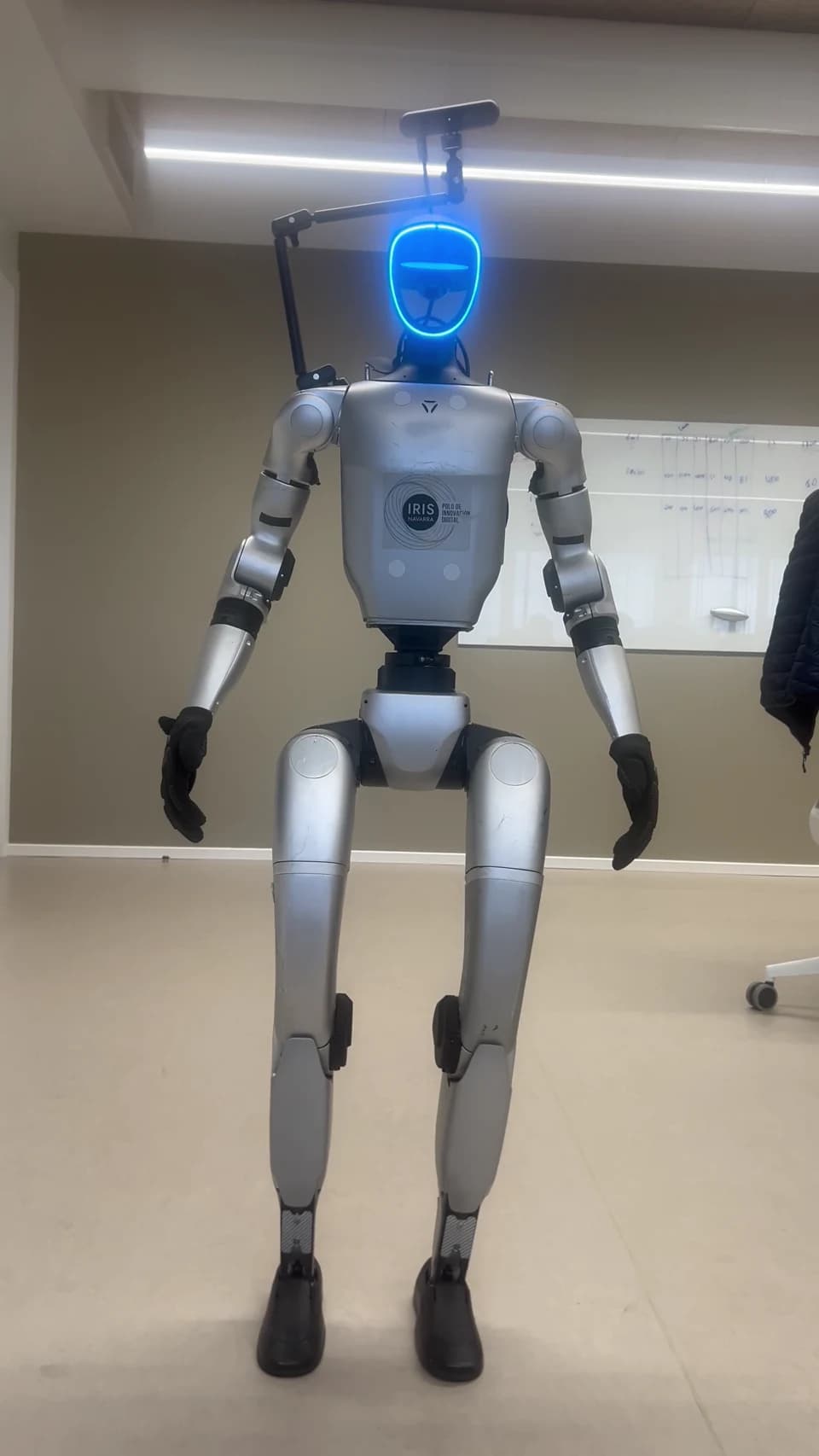
We connect sensors, AI models and robot software around a specific task. Together, we define what the system needs to do and how to test it in its operating environment.
Explore Physical AI →We develop models that detect objects and estimate their position. We connect those observations to the robot or industrial process and evaluate performance using images from the actual environment.
View industrial project →We connect speech recognition, language models and information sources so a system can answer questions in context. We also define when it should request assistance or stop an action.
TXISTU →We choose where to run models based on latency, connectivity and data control requirements. We integrate the solution with existing systems and plan how it will be maintained.
Tell us about your project →ENGINEERING FOUNDATIONS
A model needs data, interfaces and software to work within a system. We build that foundation, from connecting an ERP to deploying an API or setting up the infrastructure it runs on.
We start with the task you need to solve and the conditions it must work in. Then we agree the scope, build the system and test it against clear criteria.
We review the process, equipment, available data and operating constraints.
We agree what the system must achieve, how it will integrate and which tests will demonstrate the result.
Build the intelligence layer and connect it to existing systems.
Check behaviour against agreed criteria and document its limits.
We refine the system based on test results and plan maintenance and further improvements.